
An ERP vendor pushes one option.
Electronic invoicing
Electronic invoicing for SMEs
Mandatory receipt starts on 1 September 2026, and mandatory issuance for SMEs, very small businesses and micro-enterprises starts on 1 September 2027. The platform choice affects ERP integration, data and cost exposure.
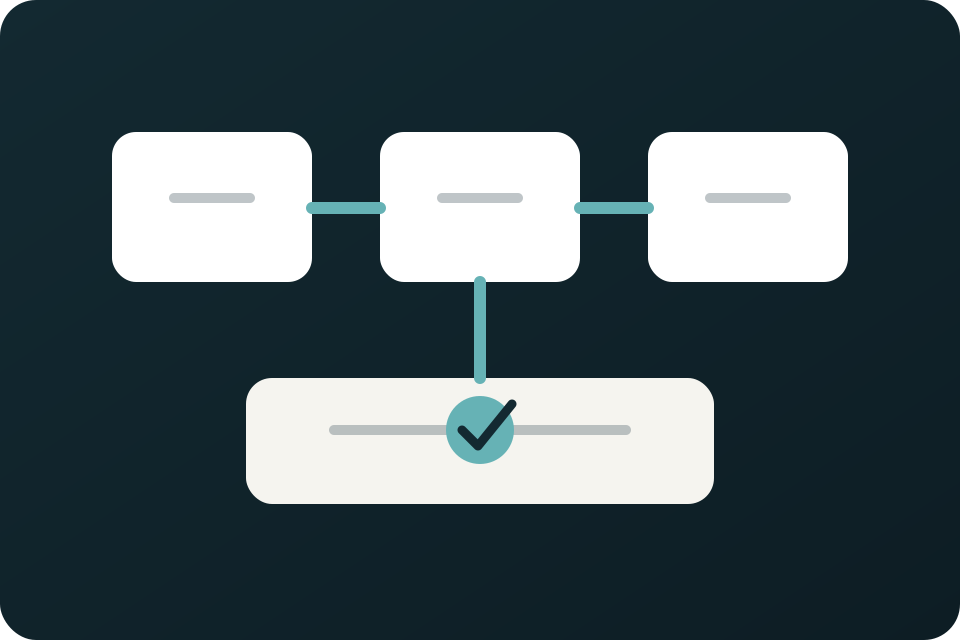
Decision path
1
Situation shared
Proposal, vendor, budget or technical choice.
2
Independent read
Risks, blind spots, dependencies and options.
3
Clear decision
Continue, correct, reframe or stop.
Risk signals
BudgetExposure
DependencyVendor
ScopeUnclear
ReversibilityTo verify
The objective is not to dramatize the risk, but to make the decision readable.
For whom
Leadership situations where an independent senior view changes the decision.
This page helps SMEs understand electronic invoicing choices before committing to a platform or ERP vendor.
SME CFOs without a structured IT team.
CEOs choosing between ERP vendor, accountant and platform.
SMEs with sensitive invoicing flows.
Leadership teams wanting to avoid a rushed dependency.
Timing
When to ask for Targeted Decision Review for electronic invoicing
An accountant recommends a tool while IT scope remains unclear.
Platforms give answers that are hard to compare.
Data migration or accounting integration creates concern.
Leadership wants to decide before regulatory pressure peaks.
If this looks close to your situation, you can describe it now. The form is short and focused on qualification.
What is reviewed
A decision-oriented review, not another vague technical discussion.
The work focuses on the choices, dependencies and risks leadership must understand before committing further.
ERP dependency
Review of lock-in points between ERP, accounting, invoicing flows and the platform.
Integration risk
Identification of interfaces, responsibilities and costly blind spots.
Scenario comparison
Clear comparison of realistic options before commercial pressure takes over.
Vendor questions
Preparation of questions for platforms, ERP vendors and accountants.
Deliverables
A concrete output for leadership.
- GO / NO-GO decision note.
- Risks to handle before signing.
- Structured questions for vendors.
- Recommended next step.
Intervention format
Targeted Decision Review for electronic invoicing
Quoted after scoping.
Additional perspective
Bring in specialist expertise only when the decision requires it
Specialist expertise may be proposed when a question goes beyond the agreed review. It is not automatically included in the entry format: scope, fees and working arrangements are agreed before the contribution begins.
Positioning
What Mahthildis does not do.
No development is included in a Mahthildis advisory engagement.
No vendor resale and no referral commission.
No low-cost bidding exercise used to force an artificial price.
No recommendation biased by a stack or delivery capacity to place.
FAQ
Common questions.
Do SMEs need to receive electronic invoices in 2026?
Yes, mandatory receipt starts for all companies on 1 September 2026 according to the public French sources referenced in the French page.
Does mandatory issuance apply to SMEs in 2026?
For SMEs, very small businesses and micro-enterprises, mandatory issuance is scheduled for 1 September 2027 according to those public sources.
Should the platform be chosen only by price?
No. ERP integration, reversibility, support, formats and vendor dependency matter as much as visible cost.
Does Mahthildis resell a platform?
No. The role is to help leadership challenge options independently.
Start by clarifying the decision before committing further.
Describe the situation briefly. Mahthildis will confirm whether a short diagnostic is the right entry point or whether another frame is more suitable.
